How Artisan Craftsmanship Elevates Fine Jewelry Design

Fine Jewelry Design: The Value of Artisan Craftsmanship
Fine jewelry design is a disciplined marriage between uncompromising artistry and engineering precision. While many see jewelry as a static object, the master jeweler views it as a complex equation, a technical challenge of integrating precious metals and gemstones into a beautiful, lasting form.
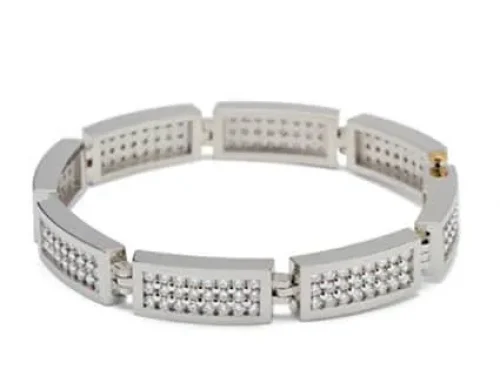
This artisan perspective transforms the design process by removing the compromises inherent in mass production. By prioritizing technical and aesthetic quality over industrial convenience, we achieve the standards that define the C&T difference: denser metals that hold a superior finish, hand-carved settings that amplify a gemstone’s brilliance, and engineered proportions that pair refined design with a lifetime of durability.
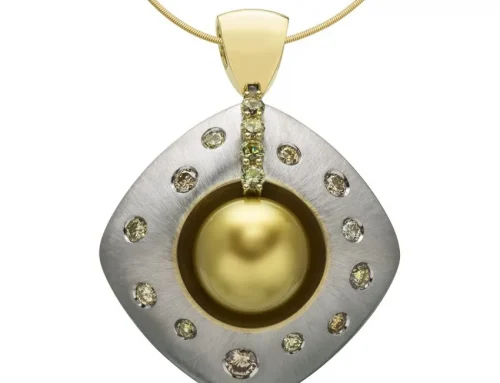
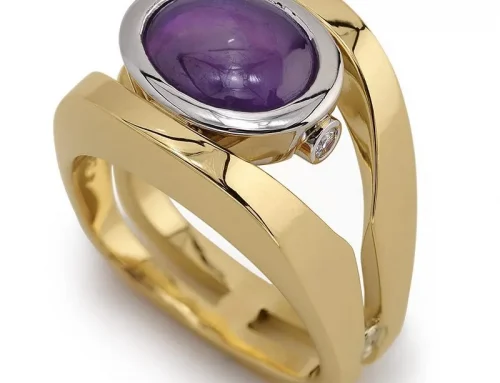
Such technical rigor and creative intentionality are what separate a true artisanal piece from the assembly-line standards of the modern market—a difference exemplified in our Masterpiece Collection.
Defining Technical Mastery in Fine Jewelry Design
Artisan craftsmanship in the luxury sector is characterized by a high degree of technical education and an obsession with detail. Unlike mass-produced items that rely on uniform molds and thin castings, bespoke fine jewelry design utilizes substantial material weights and sophisticated construction methods to ensure a lifetime of wearability.
The distinction lies in how a creative vision is refined into a physical heirloom. Every curve and setting is calculated to maximize light performance in the gemstones and ergonomic comfort for the wearer. This level of expertise ensures that a piece is not only visually striking but also structurally sound.
Distinguishing Handcrafted Excellence from Mass Production
The Engineering Behind Traditional Jewelry Techniques
While modern technology plays a significant role in our studio, it is guided by time-honored techniques that define the C&T Difference. These methods are the foundation of high-end jewelry design:
- Hand-Fabrication: Rather than relying on a single, hollow casting, we meticulously assemble and refine metal components by hand. This allows for complex, multi-dimensional structures.
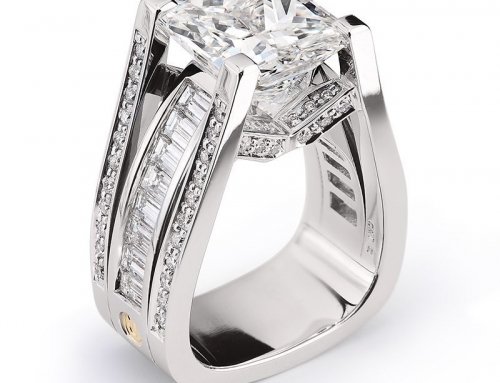
- Precision Stone Setting: Each seat for a gemstone is carved by hand to the exact dimensions of that specific stone. This ensures the most secure fit and allows the maximum amount of light to enter the pavilion.
- Intricate Metalwork: Techniques such as milgrain and hand-engraving add layers of detail that machines cannot replicate with the same crispness and depth.
These methods are not merely traditional; they are functionally superior, providing a level of detail and durability that defines the upper echelon of the industry.

The Evolution of Design and National Recognition
The landscape of jewelry has evolved from simple ornamentation to complex, award-winning art. This evolution is driven by designers who treat jewelry as a three-dimensional sculpture. Our studio has been a consistent participant in this progression, earning over 16 AGTA Spectrum Awards, which are among the most prestigious honors in the industry for use of color and technical innovation.
Case Studies in Masterpiece Jewelry Design
Each piece in our collection represents a specific triumph in design and material selection.
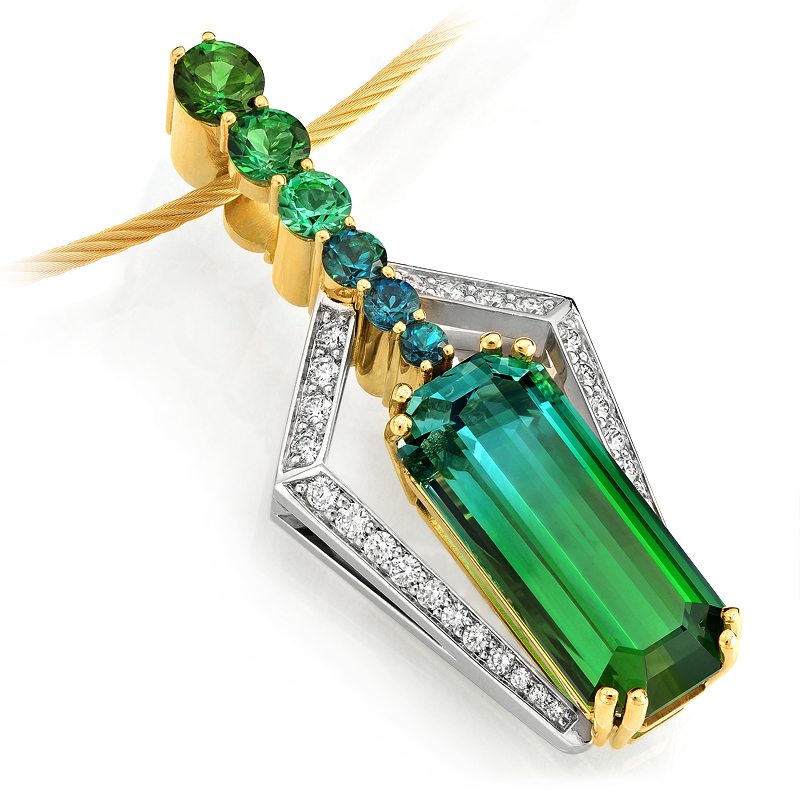
- The Bi-Color Aesthetic: Our Deco Blue to Green Bi-Color Tourmaline Pendant showcases how geometric metalwork can frame the rare natural transition of colors within a single crystal.
- Rare Earth Minerals: The Masterpiece Paraiba Tourmaline Necklace utilizes the neon-electric glow of Brazilian Paraiba, a stone so rare it requires a highly specialized setting to protect its integrity while highlighting its copper-infused brilliance.
- Unheated Natural Beauty: The Multi-Colored Unheated Natural Sapphire Necklace demonstrates the patience required to source a perfectly matched spectrum of sapphires that have never been subjected to thermal treatment.
- Optical Precision: In the Masterpiece Bi-Color Topaz and Diamond Pendant, the design focuses on the symmetry of the cut to ensure the bi-color split is perfectly centered and vibrant.
The In-House Custom Design Process
Fine custom jewelry is a collaborative endeavor. By managing every stage of manufacturing within our Chandler, Arizona studio, we preserve the direct dialogue between client and creator—ensuring your original intent is protected by our engineering standards and never lost in translation.
Step 1: Technical Consultation
The process begins with an education on materials. We discuss the physics of the design, the chemistry of the alloys—such as our use of platinum and 18k golds—and the specific optics of the selected gemstones.
Step 2: Advanced Rendering and Prototyping
We utilize high-resolution CAD (Computer-Aided Design) and 3D printing to create a physical prototype. This allows the client to see the scale and proportions of the piece before a single gram of precious metal is cast.
Step 3: Master Bench Work
Once the design is finalized, our master jewelers take over. This involves the transition from digital precision to human artistry, including the final assembly, stone setting, and high-luster polishing.

Innovation and the Future of Fine Jewelry Design
The integration of modern technology does not replace the artisan; it empowers them. Tools like laser welding allow us to work in close proximity to heat-sensitive gemstones that would be damaged by a traditional torch. Digital design software allows for a level of mathematical symmetry that was previously unattainable, ensuring that every facet of a diamond is complemented by its setting.
As consumer preferences shift toward more personalized and technically superior pieces, the demand for authentic fine jewelry design continues to grow. We remain committed to the standards set by our founders, Randy Coffin and David Trout, and continued by Ryan Coffin—ensuring that every piece we create is a fusion of beauty and uncompromising engineering.
We invite you to experience this dedication to craftsmanship firsthand. Contact us today or visit our Chandler, AZ showroom to speak with our award-winning design team and begin your custom journey.
Frequently Asked Questions
What defines high-quality fine jewelry design?
True quality in fine jewelry design is defined by a balance of aesthetic beauty and structural integrity. This includes the use of high-density metal alloys, hand-carved settings tailored to specific gemstones, and engineered proportions that allow the piece to withstand daily wear for generations.
What is hand-fabrication, and why is it important in luxury jewelry?
Hand-fabrication is the process of manually assembling, shaping, and refining precious metal components. Unlike a single-mold cast, which can be brittle or uneven, hand-fabricated pieces are built for strength. This allows for complex, sculptural designs that are denser and more comfortable than mass-market alternatives.
What should I look for when choosing a custom jeweler?
When selecting a jeweler for a custom design, look for a studio that manages the entire process in-house. This ensures a direct dialogue between you and the creator, protecting the original design intent and ensuring the final piece meets rigorous engineering and finishing standards.
How long does the custom fine jewelry design process take?
While timelines vary based on complexity, the process generally involves three main phases: technical consultation, digital prototyping (CAD), and master bench work. On average, a bespoke piece takes between 4 to 8 weeks to move from initial concept to a finished physical heirloom.
Can modern technology improve traditional jewelry craftsmanship?
Yes. At Coffin & Trout, we use technologies like CAD and laser welding to empower the artisan. These tools allow for mathematical symmetry and the ability to work near heat-sensitive gemstones, enhancing the precision of traditional handcrafted methods without replacing the human touch.