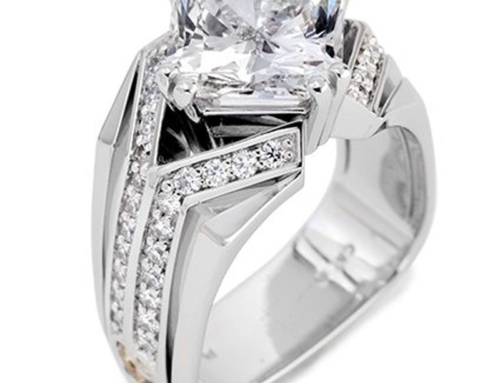
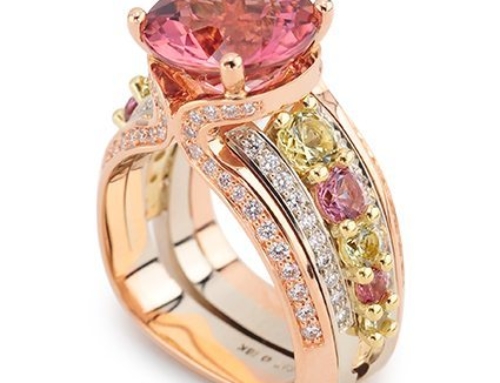
 Skip to content

Everything You Need to Know About Diamond Cuts

Evolve Round Brilliant Cut Diamond Two-Tone Engagement Ring
When you picture a diamond, it’s that unmistakable sparkle, the flashes of light that catch your eye and shimmer with every movement, that defines its beauty. But what gives a diamond that brilliance? The answer lies in the cut.
At Coffin and Trout Fine Jewelers, we view the cut as the defining element of a diamond’s character. It’s where craftsmanship and precision meet to shape how a diamond captures and reflects light. In this guide, we’ll take a closer look at how diamond cuts affect brilliance, proportion, and design, key details to consider when choosing your next piece of diamond jewelry.
What Is a Diamond Cut?
The cut of a diamond is the measure of craftsmanship that brings the stone to life. It refers to how each facet is shaped, polished, and aligned to control the movement of light. A well-executed cut transforms a rough diamond into something radiant, creating the brilliance, fire, and sparkle we associate with truly fine jewelry.
As one of the Four Cs — cut, color, clarity, and carat weight — the cut has the greatest influence on a diamond’s visual beauty. At Coffin and Trout, we select diamonds that demonstrate excellence in both artistry and engineering. The result is jewelry defined by clarity, balance, and the unmistakable brilliance of a perfectly cut stone.
Cut vs. Shape: What’s the Difference?
It’s easy to confuse cut and shape, since the two terms are often used together, but they describe different things:
- Diamond shape refers to the diamond’s outline or silhouette: round, oval, cushion, square, pear, and so on.
- Cut describes the arrangement and proportions of the diamond’s facets, the craftsmanship that determines how light interacts with the stone.
Some cuts naturally demand a specific shape, while others can be adapted across multiple outlines. For example, a princess cut can only exist in a square or rectangular shape; its faceting pattern and geometry are designed to work together to produce its sharp corners and brilliant sparkle.
Other shapes, however, offer more flexibility. A round diamond, for instance, can be cut in different ways to achieve a desired effect, such as a traditional brilliant cut for maximum sparkle or a rose cut for a softer, vintage glow. Similarly, a square diamond might be fashioned as a princess cut for bold brilliance, a radiant cut for a blend of sparkle and structure, or even an emerald or Asscher cut for a sleek, architectural look.
Understanding the difference helps you see why two diamonds with the same shape might look entirely different; it’s the cut that determines their brilliance and personality.
How Diamond Cuts Affect Sparkle
A diamond’s cut determines how it handles light and, in turn, how it sparkles.
- Brilliance: The bright white light reflected from within the diamond.
- Fire: The flashes of rainbow color created as light disperses.
- Scintillation: The sparkle and contrast you see as the diamond moves.
When a diamond is cut to ideal proportions, light enters through the crown (top) and reflects internally from facet to facet before returning through the top. This precise balance of depth, angle, and symmetry creates exceptional brilliance and fire; it’s what most people recognize as that “wow” sparkle.
If a diamond is cut too deeply, light escapes through the sides rather than reflecting upward, making the stone appear smaller and darker at its center. On the other hand, if it’s cut too shallow, light leaks out of the bottom, making the diamond appear flat or glassy.
The cut quality and proportions also affect a diamond’s perceived size. A well-balanced cut maximizes sparkle without distortion. Diamonds cut too shallow may look large but dull, while deeper cuts can appear smaller, even when all are the same carat weight. Learn more in our guide to Diamond Carat Weight vs. Face-Up Size.
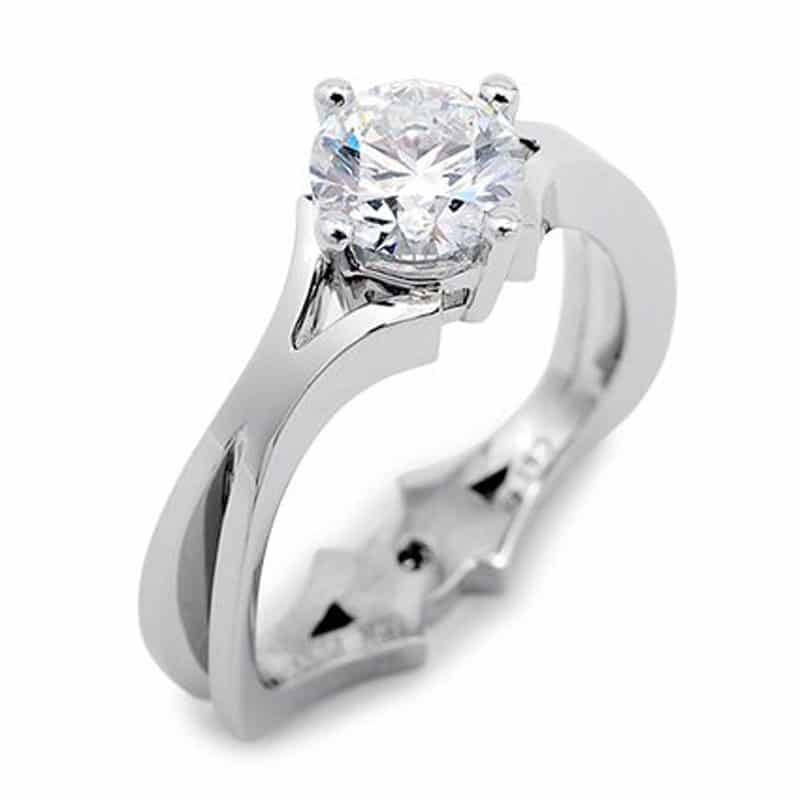
Evolve Round Brilliant Cut Diamond Engagement Ring
Round Brilliant Cut: The Gold Standard of Sparkle
The round brilliant cut is the most popular, and scientifically refined, of all diamond cuts. With 57 or 58 carefully angled facets, it’s engineered to return maximum light and deliver unmatched brilliance.
The Gemological Institute of America (GIA) developed an official cut grading system for round brilliant diamonds only. Each is evaluated on proportions, symmetry, and polish, earning a grade from Excellent to Poor.
An Excellent cut round brilliant diamond reflects nearly all the light that enters, creating an intense, lively sparkle. Even minor variations in facet angles can influence how vibrant the diamond appears in natural light.
Fancy Cuts: Character, Style, and Individuality
While the round brilliant reigns supreme in brilliance, fancy cuts (the term for all non-round brilliant cuts) offer personality, artistry, and endless design possibilities.
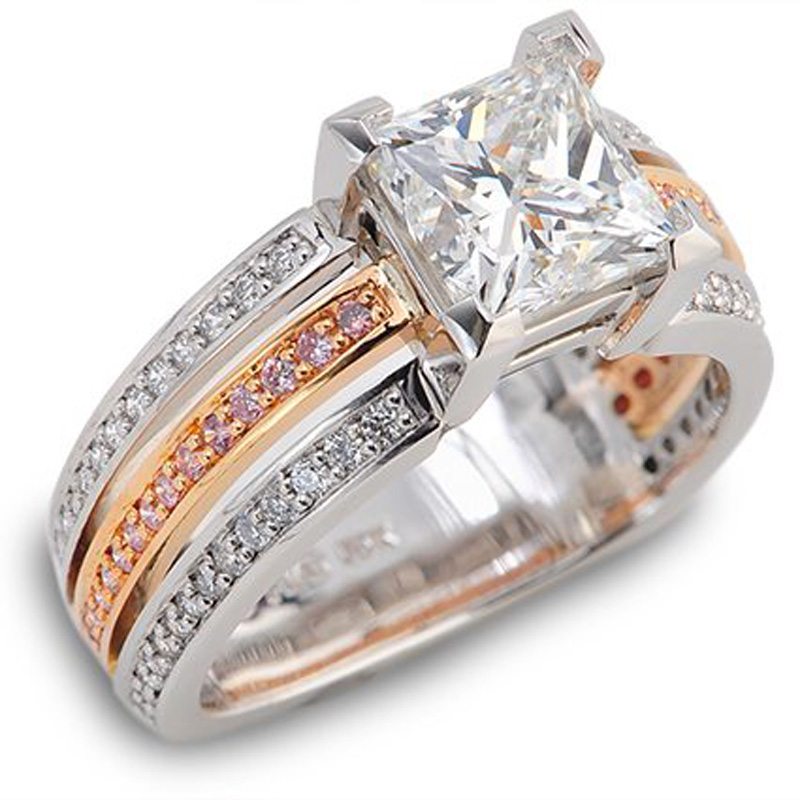
Interlude 2 Carat Princess Cut Diamond Engagement Ring
Princess Cut
A bold square or rectangular shape with sharp corners and a contemporary edge. Its brilliant-style faceting offers excellent sparkle and a modern feel, ideal for sleek, geometric designs.
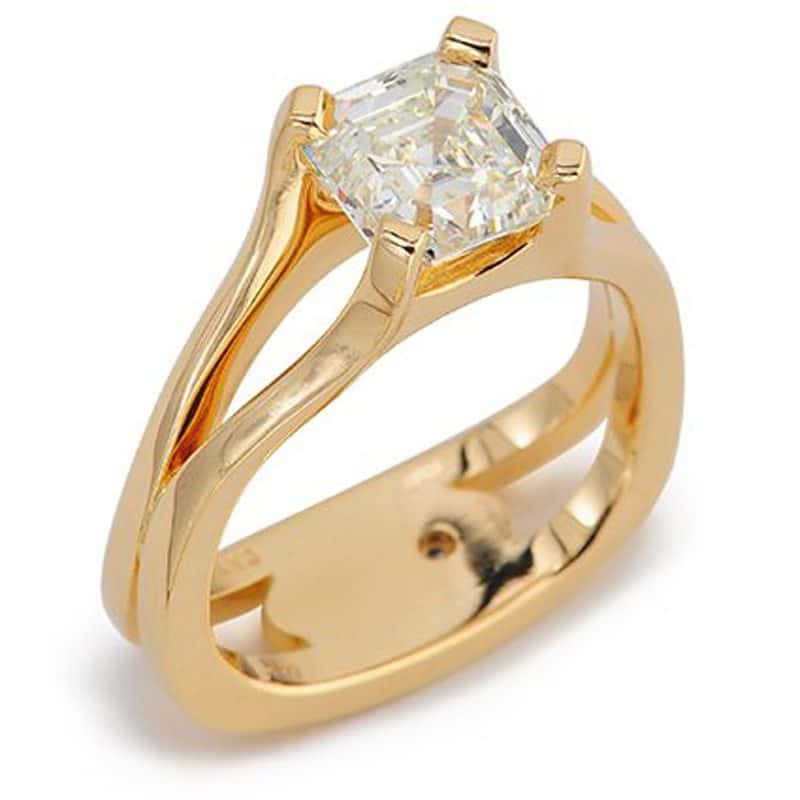
Interlace Square Emerald Cut Diamond and Yellow Gold Ring
Emerald Cut
Recognized by its clean lines and step facets, the emerald cut emphasizes clarity and elegance over fiery sparkle. Its mirror-like surface creates a sophisticated, architectural effect that’s truly timeless.
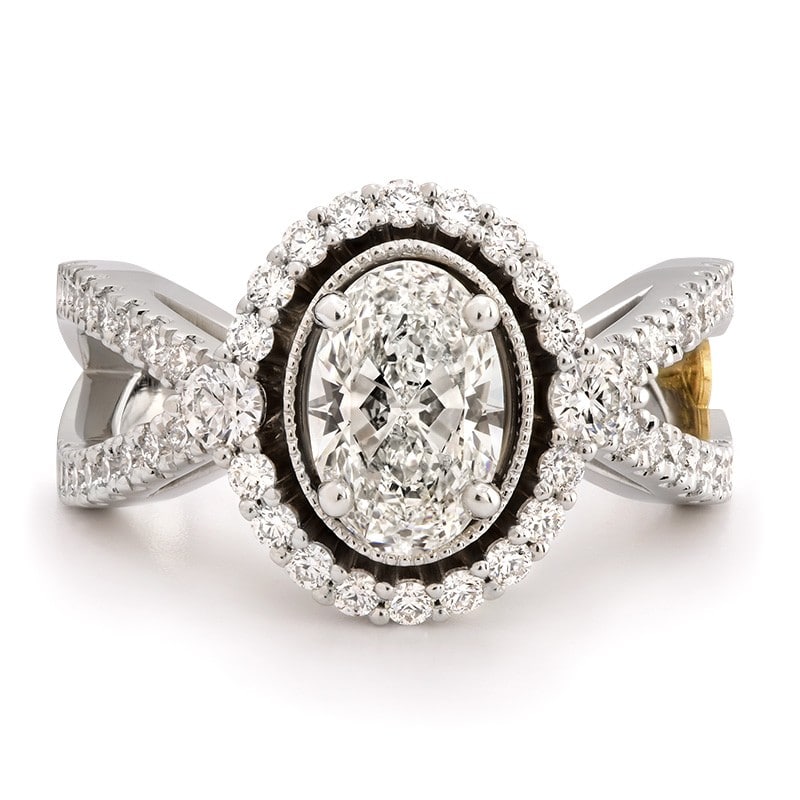
Evolve Oval Diamond Engagement Ring
Oval Cut
The oval cut combines the brilliance of a round diamond with an elongated shape that flatters the finger. Its faceting pattern, a modified brilliant cut, maximizes sparkle while giving the illusion of greater size, making it both graceful and dazzling.
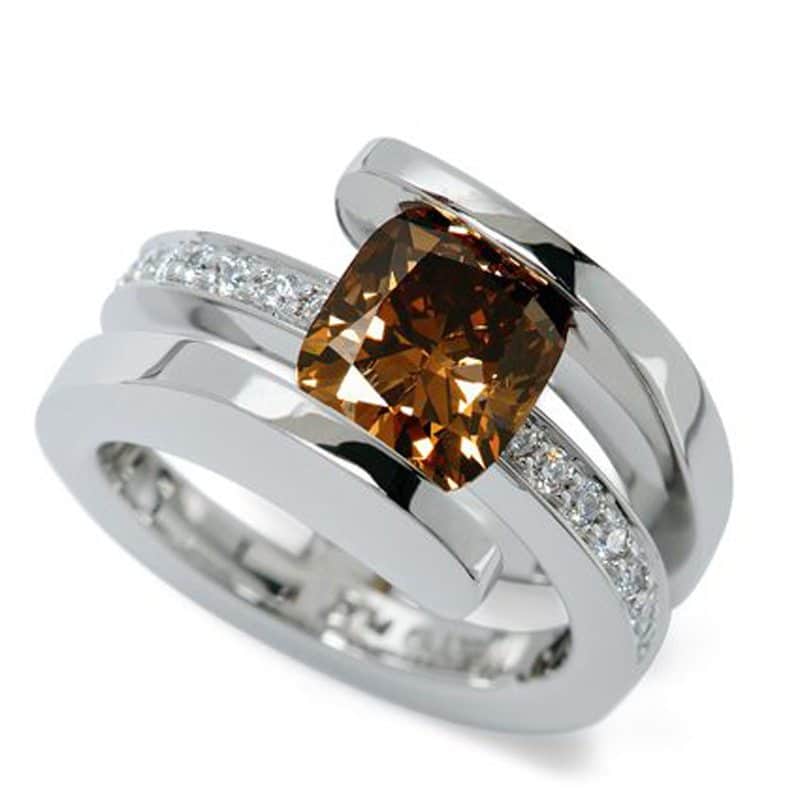
Nautilus Fancy Brown Diamond Platinum Ring
Cushion Cut
Soft corners, a pillow-like outline, and vintage appeal define the cushion cut. Depending on the facet arrangement, it can range from a radiant sparkle to a subtle, romantic glow.
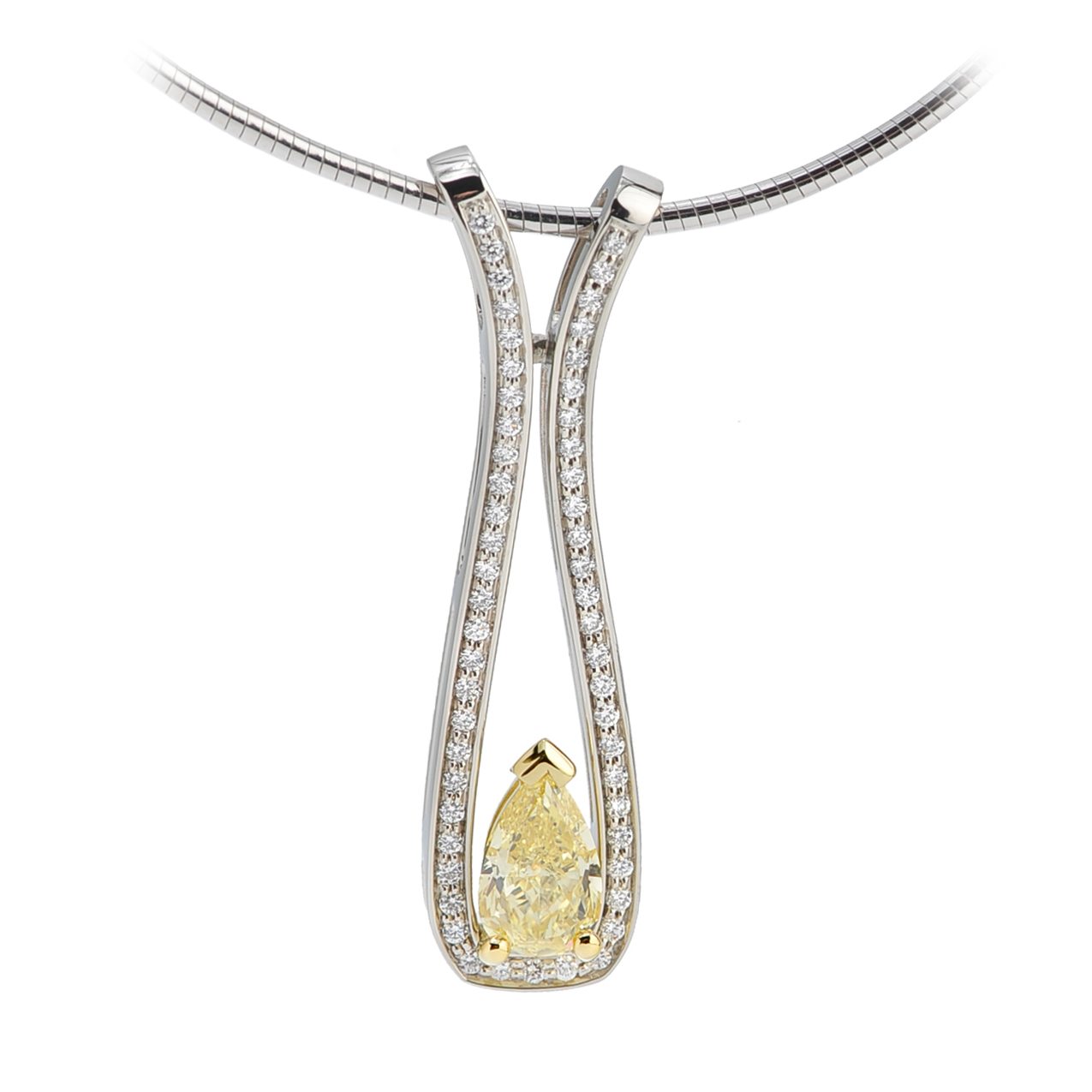
Interlace Yellow Diamond and White Gold Pendant
Pear Cut
The pear cut blends the brilliance of a round diamond with the elongated elegance of a marquise, forming a graceful teardrop silhouette. Its faceting delivers remarkable sparkle and movement, making it a favorite for engagement rings and pendants alike.
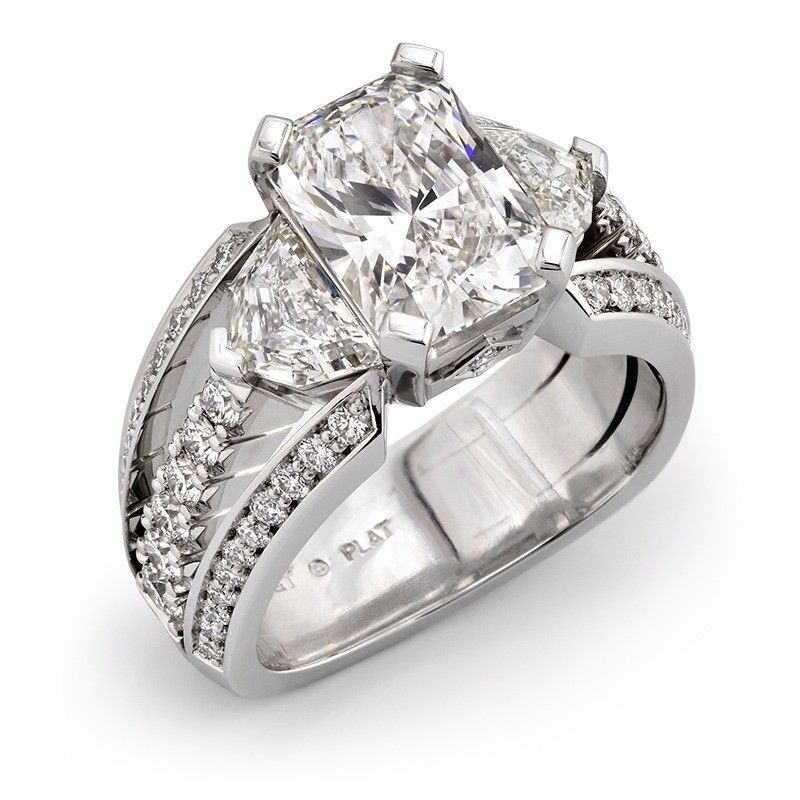
Deco Radiant Cut 3 Stone Platinum Ring
Radiant Cut
The radiant cut combines the clean geometry of an emerald with the fiery brilliance of a round. With its trimmed corners and intricate facet pattern, it delivers both structure and sparkle, perfect for those who want a modern yet timeless look.
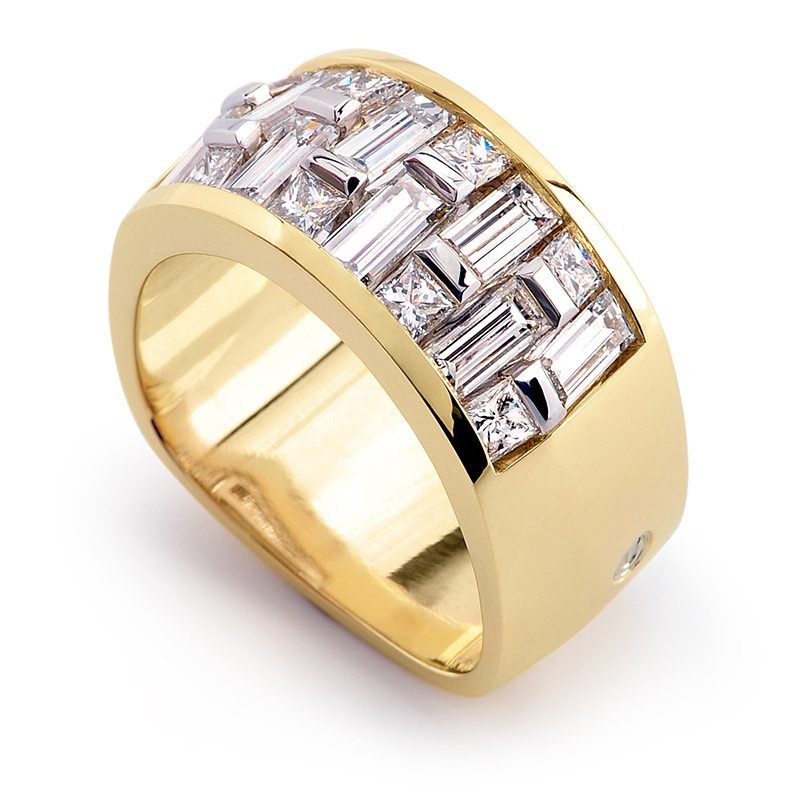
Crescendo Baguette and Princess Cut Diamond Yellow Gold Ring
Baguette Cut
The baguette cut features long, rectangular step facets that create a sleek, understated sparkle. Known for its refined simplicity, it’s often used as a side or accent stone to frame larger center diamonds, adding symmetry and sophistication to any design.
How Cut Interacts With the Other “Cs”
Every aspect of a diamond influences the others:
- Cut + Color: A precise cut enhances brightness, helping a diamond appear whiter.
- Cut + Clarity: Cut can minimize the visibility of inclusions by directing light toward the surface. Cuts with larger, open facets reveal more of the interior, making diamond clarity especially important for those styles.
- Cut + Carat: A well-cut diamond achieves the right balance between face-up size and brilliance, while overly deep or shallow cuts can distort proportions or reduce sparkle.
- Cut + Shape: Shape defines a diamond’s outline, while cut determines how that shape interacts with light. Round cuts deliver the most brilliance, while fancy cuts can elongate the silhouette, showcase color, or emphasize individuality.
Why Understanding Cut Matters for Design
When creating fine jewelry, the diamond’s cut influences how it interacts with the setting, metal tone, and surrounding stones. For example:
- A round brilliant shines in settings that highlight its light return, like solitaires or halos.
- A step-cut emerald looks breathtaking in minimalist or vintage-inspired settings that emphasize clarity.
- A pear or marquise cut creates length and elegance, perfect for statement rings or pendants.
During your in-store consultation, our designers can show how each cut behaves in natural light, helping you choose one that complements your aesthetic and lifestyle.
The Coffin & Trout Difference
Every diamond we select is hand-evaluated for brilliance, balance, and craftsmanship — not just its lab grade. Our gemologists assess performance under real lighting to ensure each diamond meets our uncompromising standards.
You can learn more about our process in our guide to Diamond Quality and our Diamond Grading Chart.
Find the Perfect Diamond Cut for You
From the perfected geometry of the round brilliant to the artistry of fancy cuts, every diamond tells its own story. Understanding how the cut affects sparkle, size, and design helps you find a stone that feels uniquely yours.
Experience the difference at Coffin & Trout Fine Jewelers in Chandler, AZ. Our gemologists will help you explore cuts, compare designs, and create a piece that captures your vision — down to every facet.