How to Find Trusted Jewelry Repair Experts
The Master Craftsman’s Guide to Local Jewelry Repair and Restoration
Every piece of fine jewelry is a convergence of history, emotion, and uncompromising artistry. Whether you are safeguarding a generational heirloom or a newly commissioned milestone, its longevity depends on precise, expert care. When a stone loosens, a clasp wears, or a ring needs resizing, entrust its restoration only to those who understand both the engineering and the legacy behind each piece.
Selecting a professional for local jewelry repair involves evaluating not only technical credentials, but also the integrity and meticulous standards that protect your most treasured pieces. This guide offers a master craftsman’s perspective on assessing restoration services, verifying expertise, and ensuring your future heirlooms receive care worthy of their significance.
Verifying Technical Credentials and Industry Authority
At Coffin and Trout, technical execution is what preserves both the structural integrity and enduring value of your jewelry. Our mastery is evident in our industry credentials and affiliations, setting the benchmark for excellence in fine jewelry restoration.
Industry Certifications to Look For
When evaluating a specialist for jewelry restoration, prioritize those whose credentials reflect a deep, technical understanding of both gemstones and metals:
- Gemological Institute of America (GIA) Training: A jeweler with GIA gemological training understands the physical properties, cleavage planes, and heat sensitivities of various gemstones. This technical knowledge prevents catastrophic damage during tasks like soldering or laser welding near precious stones.
- Jewelers of America (JA) Membership: Affiliation with JA demonstrates a commitment to professional standards, ongoing education, and the highest ethical practices in the jewelry industry.
- Jewelers Vigilance Committee (JVC) Participation: Membership in JVC reflects a dedication to integrity, legal compliance, and consumer protection within the jewelry sector.
- American Gem Trade Association (AGTA) Membership: AGTA members adhere to rigorous ethical and disclosure standards for colored gemstones and foster trust in the gem trade.
Master Bench Work vs. Catalog Retailing
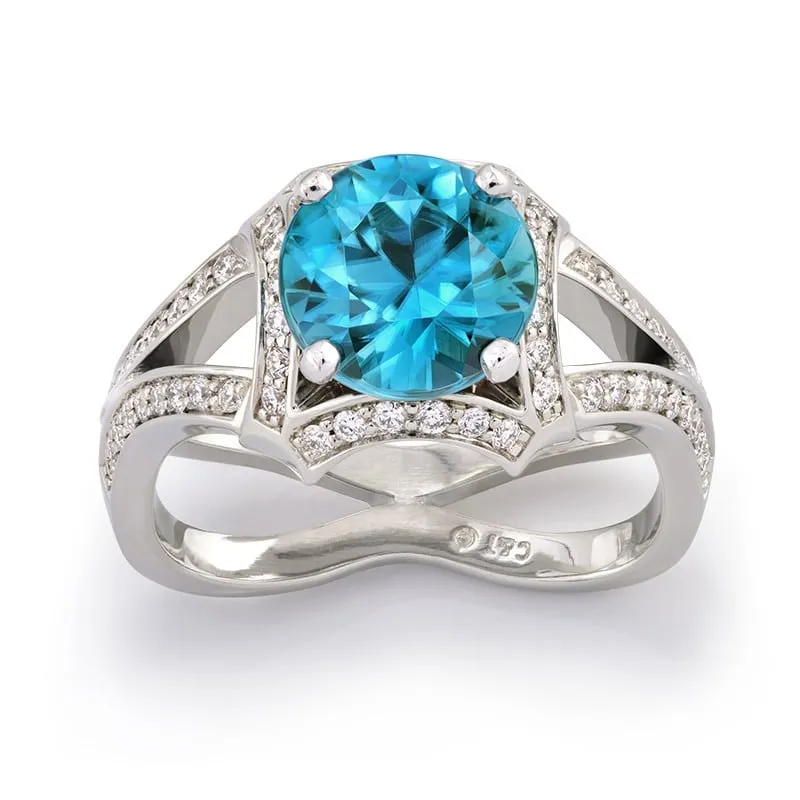
Most retail jewelry stores do not employ in-house makers. Instead, they outsource client pieces to high-volume, off-site processors. For true security and accountability, choose a studio like Coffin and Trout, where all expert repair and customization is performed on-site by the same craftsmen who design and build the jewelry.
In-house manufacturing with advanced technologies—such as computer-aided design (CAD), 3D printing, and high-precision laser welding—ensures your jewelry never leaves the hands of the master craftsmen who care for it.
Evaluating a Local Jewelry Repair Studio
A thorough evaluation, both online and in person, is essential to minimize risk and ensure your restoration partner meets the highest standards.
Analyzing Client Feedback
When reviewing digital platforms, look beyond star ratings and focus on the substance of client feedback. The most telling reviews reference specific technical solutions, transparent communication, and meticulous execution. Be wary of facilities without an established history or those whose reviews lack detail about the craftsmanship itself.
The In-Person Assessment
A physical visit to the studio provides critical insight into the operation’s professionalism and technical standards. A reputable jeweler will guide you through a transparent, step-by-step evaluation process:
During this initial consultation, the specialist should articulate both the precise physical cause of the issue and the exact technical methodology required to resolve it.
Advanced Restoration Techniques and Materials
Different eras and materials demand specialized intervention. A master craftsman selects precise methodologies tailored to the unique architecture and composition of each piece.
Precision Cleaning, Resizing, and Stone Setting
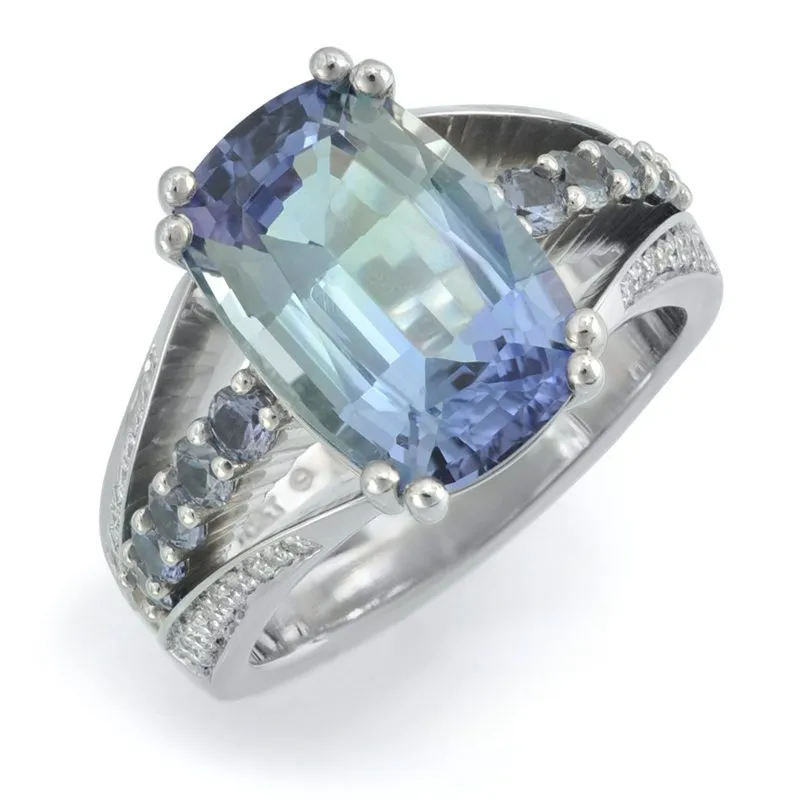
- Cleaning: Professional cleaning employs ultrasonic and high-pressure steam equipment calibrated to the exact hardness and porosity of each material. Delicate gems such as pearls, emeralds, and opals are always protected from harsh chemicals and vibration.
- Resizing: Precision resizing alters a band’s diameter while preserving its original geometry or ergonomic contour. The jeweler integrates matching metal into the shank, eliminating visible seams and structural weak points.
- Gemstone Replacement: When replacing a lost stone, a true craftsman matches the original’s dimensions, color saturation, and cut precision. Accent diamonds are curated for maximum brilliance, using only high-grade color and clarity to ensure seamless integration with the existing stones.
Antique and Fine Jewelry Restoration
Restoring antique jewelry requires working with worn components and historical metal alloys. Traditional bench techniques are combined with modern laser welding, allowing the jeweler to apply concentrated heat to a localized area and join metals securely without risking antique stones or fine milgrain details.
Understanding the behavior of each alloy under stress is essential for successful restoration. For a deeper look at materials, explore our overview of precious metals and structural integrity.
Understanding Investment and Value Factors
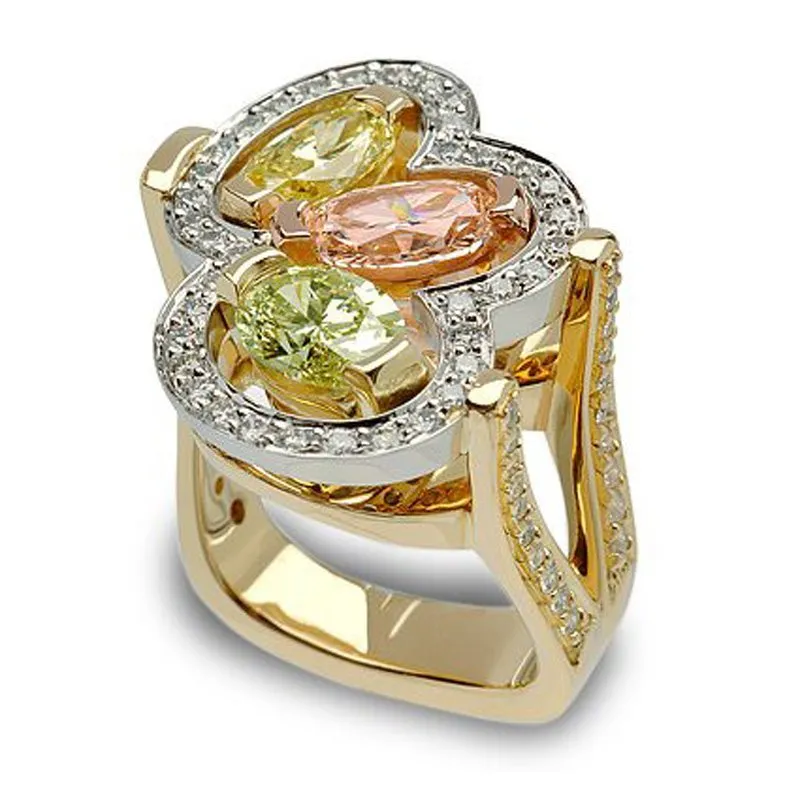
The investment in premium jewelry restoration reflects the volume of material, the technical complexity, and the level of expertise required.
Key Cost Drivers
- Material Specifics: The amount of platinum or gold required to rebuild worn prongs or replace a thinned shank directly influences the investment.
- Technical Complexity: Resetting a center diamond into an intricate setting demands greater precision and time than securing a simple clasp.
- Artisanal Expertise: Entrusting your piece to certified master jewelers ensures structural soundness and correct execution from the outset. This preserves the long-term value of your jewelry and prevents the need for costly corrective repairs.
Comparing Value Over Price
When collecting estimates for repair work, examine what is truly included in the service. Low-cost quotes often signal outsourced labor, substandard alloys, or temporary fixes such as heavy rhodium plating over weak metal. Investing in stable, permanent craftsmanship ensures your fine jewelry remains secure for generations. Discover the meticulous standards that define our work by reviewing The C&T Difference.
Recognizing Award-Winning Craftsmanship
The finest jewelry repair restores a piece so seamlessly that the intervention is invisible to the eye. When seeking a trusted partner, look for studios recognized by their peers and national organizations for technical excellence.
An extensive record of industry accolades, such as the AGTA Spectrum Awards, demonstrates a deep, verified mastery of design, stone setting, and metalwork. You can view our history of peer-reviewed achievements by exploring our jewelry design awards.
The Value of Expert Jewelry Repair
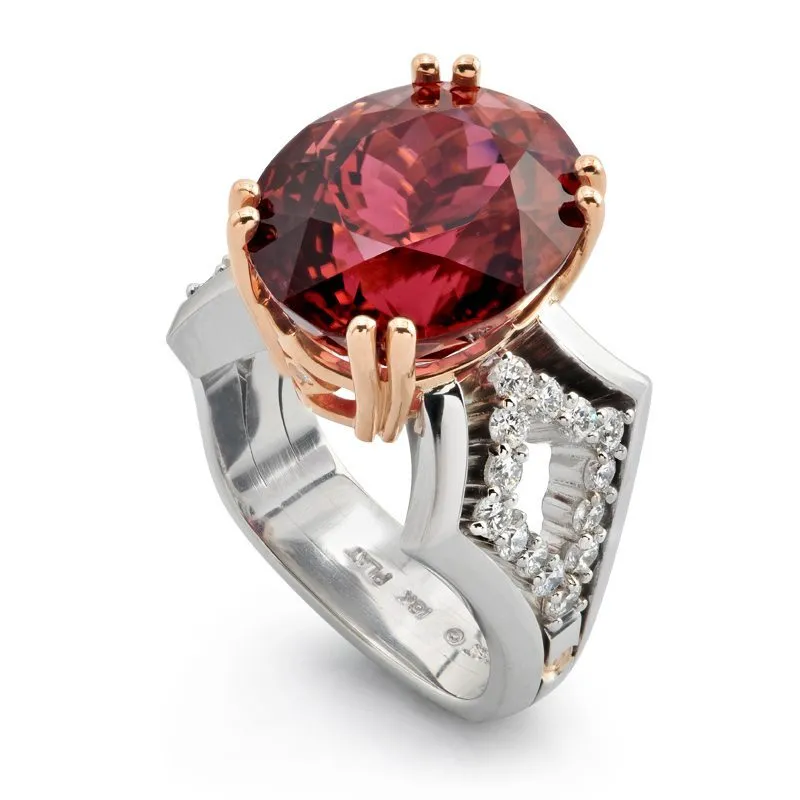
Ultimately, restoration and repair should do more than patch a piece of jewelry. It must reinforce structural integrity, preserve the story, and ensure daily wear with complete confidence. If you have questions about restoring a cherished piece or would like to discuss a custom project, contact Coffin and Trout today. Our expert team is ready to provide guidance, answer your questions, and help you experience the difference true master craftsmanship can make.
Frequently Asked Questions
What is the difference between local jewelry repair and sending a piece away?
When you choose a facility that performs local jewelry repair completely on-site, your valuable items never leave the hands of the master craftsmen responsible for their care. Many retail shops ship client pieces to high-volume, third-party processing facilities, which increases the risk of loss or miscommunication. In-house manufacturing using advanced technology—such as computer-aided design (CAD), 3D printing, and high-precision laser welding—ensures transparent communication, secure tracking, and exact technical execution.
How can I find an expert jewelry restoration specialist near me?
To locate a trusted specialist, prioritize local jewelry repair studios that employ in-house makers rather than catalog retailers. Verify their credentials by looking for advanced gemological training, such as a Gemological Institute of America (GIA) certification or an American Gem Society (AGS) membership. Additionally, check for a consistent history of detailed, transparent consumer feedback and look for master jewelers who have earned peer-reviewed national accolades, like the AGTA Spectrum Awards.
Why is laser welding preferred for fine jewelry restoration?
Laser welding allows a master bench jeweler to direct concentrated heat to an incredibly localized area. This technology allows the jeweler to join metals securely and seamlessly without endangering surrounding antique stones, heat-sensitive gems, or delicate historical details. Traditional torches spread heat across a larger surface area, which often requires removing gemstones or risks damaging the structural integrity of complex designs.
How often should I have my fine jewelry inspected for repairs?
Fine jewelry should be professionally inspected every six months to catch wear and tear before it results in a lost gemstone or catastrophic structural failure. During a microscopic inspection, a master craftsman will evaluate prong integrity, stone security, and clasp wear to ensure every component remains structurally sound for daily wear.