Pearl Cleaning & Care Guide: Expert Tips
Pearl Cleaning: Why Your Pearls Need Special Care
Fine pearl jewelry calls for a different standard of care than the rest of your jewelry collection. In short: proper pearl cleaning means a soft, lint-free cloth after every wear, an occasional wipe with lightly diluted soap and water, and storage kept separate from your other pieces. Ultrasonic cleaners, ammonia, and toothbrushes should never touch a pearl.
Pearls’ softness relative to other gemstones surprises many of our clients. Diamonds and sapphires sit near the top of the Mohs hardness scale; pearls sit far closer to the bottom, nearer to your fingernail than to a ruby. They’re organic, formed in layers of nacre by a living creature, and that soft, luminous surface that makes them beautiful is also precisely what makes them delicate.
What Damages Pearl Jewelry the Most
Contrary to what many assume: pearls are rarely harmed by dirt itself. They’re most often harmed by chemistry. Perfume, hairspray, lotion, even the mild acidity of your own perspiration will, over time, quietly diminish that nacre luster. It’s why we advise clients to follow a simple rule each time they dress: pearls go on last, after perfume and lotion have had a moment to dry, and come off first, before the evening skincare routine begins.
How to Clean Pearls at Home
After each wearing, a gentle wipe with a soft cloth is usually all your pearls require. When more thorough cleaning is needed, dampen the cloth with water and the faintest trace of mild soap, taking care never to submerge or scrub the piece.
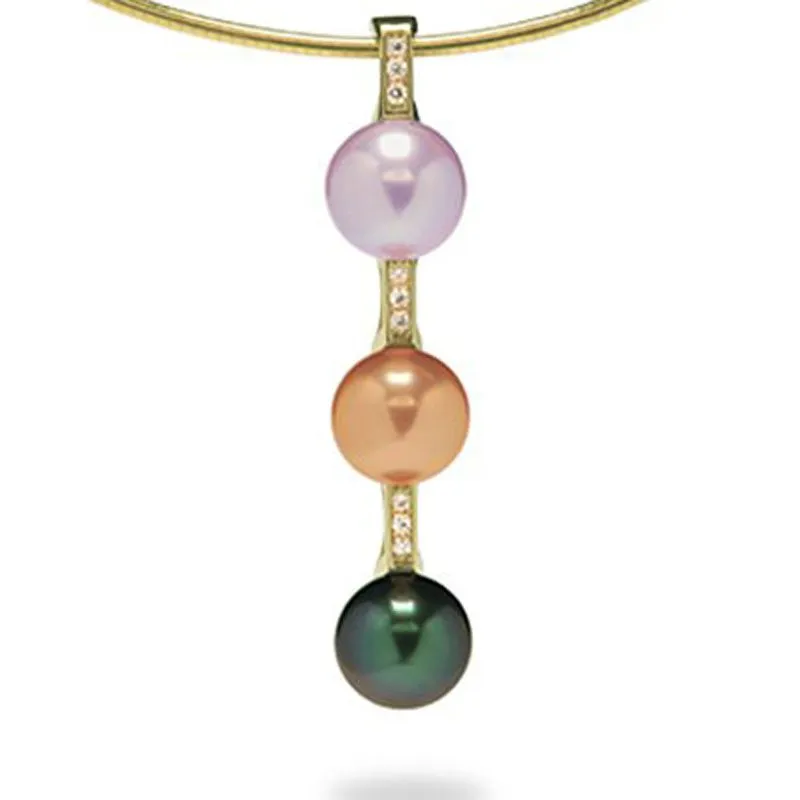
Genuine pearl strands are traditionally knotted on silk rather than wire, and hanging a wet strand to dry will stretch that silk, loosening the knots that keep each pearl secure. Lay strand pieces flat instead, and let them dry on their own time. Pendant-style designs, like our Escapade 3 Pearl Diamond and Yellow Gold Pendant, a trio of lilac, apricot, and dark green pearls set along a diamond-lined bar, call for the same gentle, soft-cloth habit, simply without the knotting to worry over.
Pearl Cleaning Habits by Jewelry Type
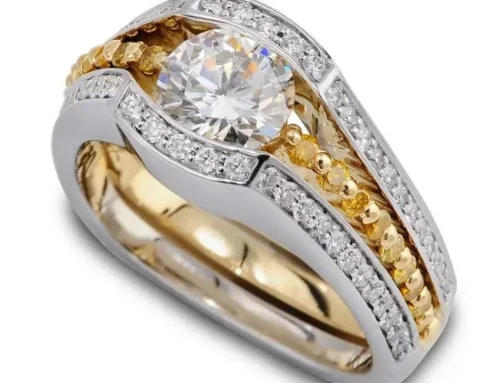
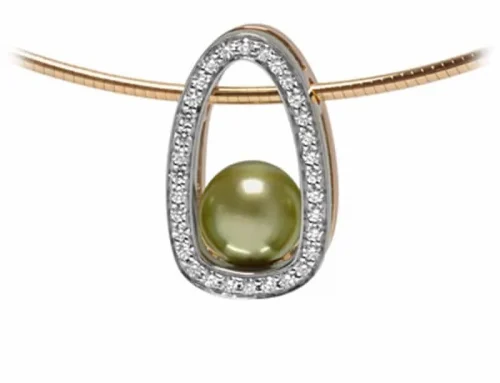
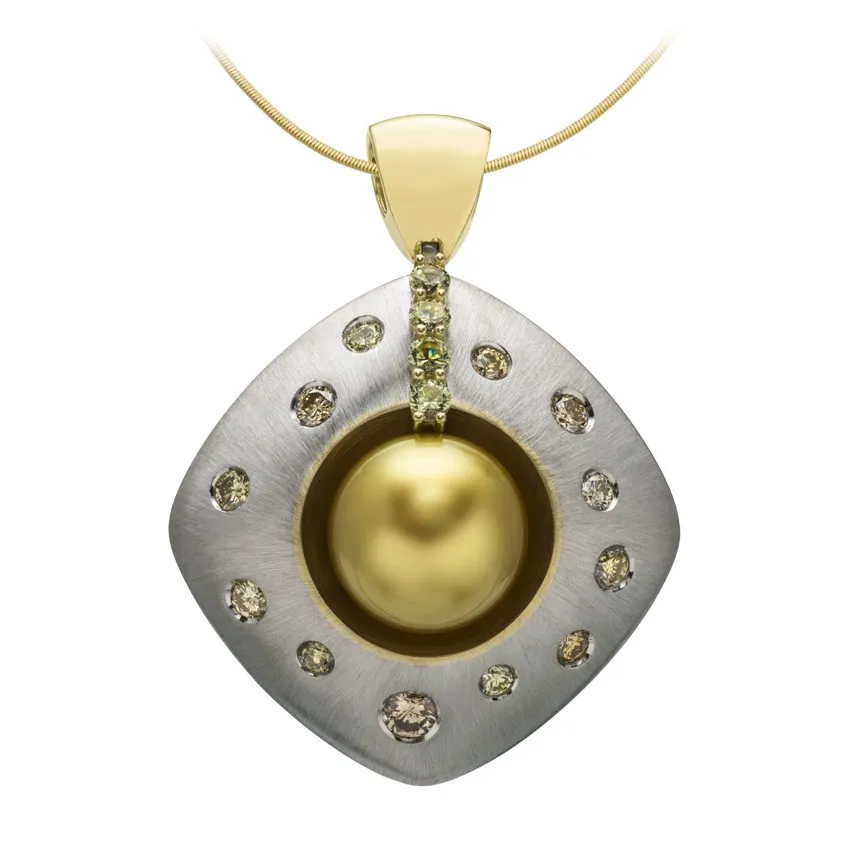
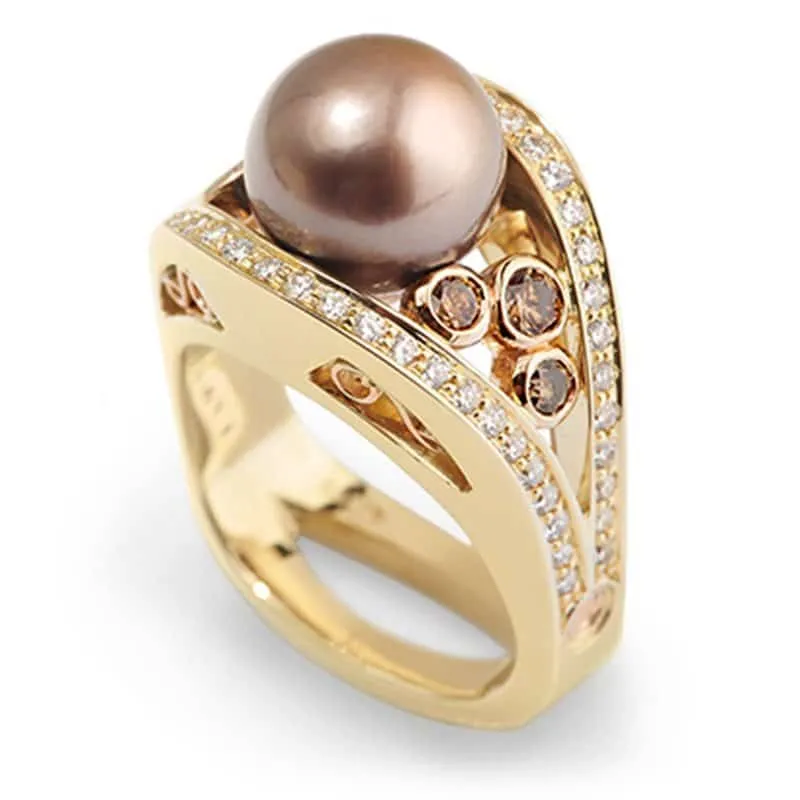
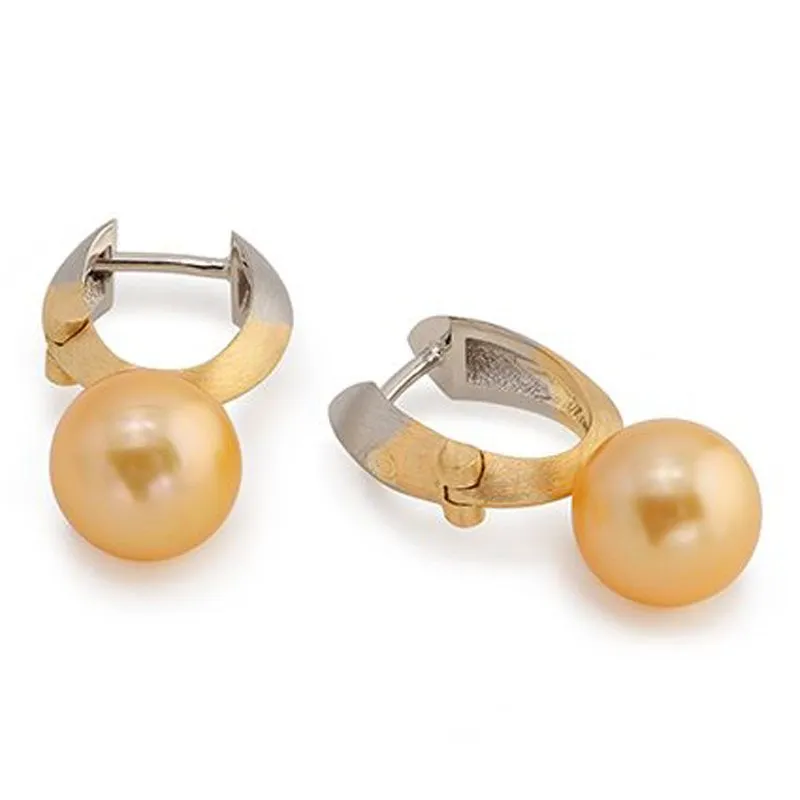
Each style of pearl jewelry asks something slightly different of its owner. A statement necklace reserved for evenings out, such as our Pistachio Pearl Fashion Necklace, typically needs only a wipe-down and careful storage between wearings. Everyday pieces, like a pair of Fusion Golden Pearl Earrings worn often, come into contact with hair products and fragrance far more frequently, which makes that quick cloth habit all the more important. Pearls set in rings, such as our Interlace Tahitian Pearl and Yellow Gold Ring, face particular exposure to hand lotion and dish soap. We recommend removing them before using either.
When to Seek Out Professional Pearl Care
Twice a year, we invite you to bring your pearls in for a complimentary inspection. We’ll examine each piece for wear, check settings and any silk knotting where relevant, and clean everything properly. It’s a small habit that protects heirloom pearl jewelry for generations to come. Visit our Phoenix-area store for a completely custom consultation, or explore our full pearl collection if you’re considering a ready-to-wear piece. Either way, this level of attentiveness is the C&T difference, care that continues well beyond the initial purchase.
Frequently Asked Questions
Can you clean pearls with toothpaste?
No. Toothpaste is a common suggestion online, but it’s mildly abrasive, which is fine for tooth enamel but far too rough for nacre. Even gentle brushing with toothpaste will, over repeated use, dull a pearl’s surface and soften its luster. Stick to a soft cloth, and reach for diluted mild soap only when a deeper clean is needed.
How should pearl jewelry be stored between wears?
Keep pearls in a soft, closed pouch or a lined jewelry box compartment, separate from other pieces — harder gemstones and metal edges can scratch nacre on contact. Avoid airtight plastic bags, since pearls need a small amount of moisture in the air to stay healthy and can dry out or crack in an overly sealed environment. It’s also worth keeping them away from direct sunlight and heat, both of which can fade a pearl’s color over time.
Can pearls get wet?
Brief, incidental contact with water, a splash while washing your hands, for instance, won’t cause lasting harm. What pearls can’t tolerate is prolonged soaking or being hung to dry while wet, both of which stress the nacre and, for strand pieces, the silk stringing underneath. If your pearls do get wet, pat them dry and lay them flat rather than reaching for a hair dryer or letting them air-dry upright.