What Are the Hottest Fine Jewelry Necklace Trends?
The Standout Fine Jewelry Necklace Styles in 2026
The world of fine jewelry is undergoing a vibrant transformation, driven by an appetite for bold expression and creative design. This year, the focus shifts toward dynamic, statement-making pieces that pair tactile interest with exceptional styling. As personal taste grows more adventurous, the prominent fine jewelry necklace styles in 2026 show an embrace of rich color, unexpected metal treatments, and striking proportions.
Below, we explore the six design movements shaping the luxury landscape this year, highlighting the innovations and distinct aesthetics that elevate a piece into an unforgettable statement.
Defining the Top Fine Jewelry Necklace Styles 2026
The standout design directions this year merge unique geometry with unexpected material pairings. Here are the six definitive design trends at the forefront of fine jewelry this year, and how Coffin and Trout interprets each movement to elevate it into a lasting classic:
1. Low-Profile Bezel Settings
Bezel settings have seen a major resurgence due to their clean lines and practical security. By enveloping the entire perimeter of a gemstone in a protective, burnished collar of precious metal, the stone is shielded from daily contact while maintaining a completely smooth surface.
- The Collection Reference: The Flora Round Brilliant Cut Diamond Pendant demonstrates this approach, anchoring a .58ct round brilliant diamond secured tightly within a sleek, protective yellow gold bezel.
2. East-West Gemstone Orientations
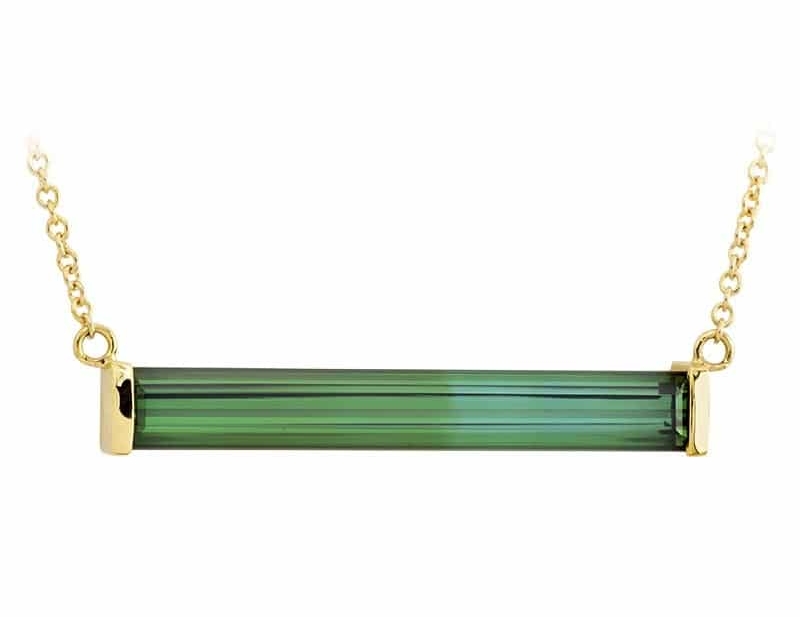
A distinct shift in contemporary fine jewelry necklace styles is the horizontal layout. By rotating traditional gemstone cuts ninety degrees so they rest horizontally along the neckline, the traditional vertical narrative changes completely. This layout provides a sleek alternative to standard vertical drops, emphasizing a wide balance and clean lines that sit flat against the skin.
- The Collection Reference: The Unison Yellow Gold Bar Necklace embodies this perspective, positioning a substantial 4.41ct baguette-cut green tourmaline horizontally within a clean 18k yellow gold bar framework.

3. Mixed-Metal Fabrications
The intentional blending of contrasting precious metal alloys is a significant element this year. Rather than utilizing a single uniform tone, our bench jewelers pair the warm tones of gold with the cool resilience of palladium or platinum.
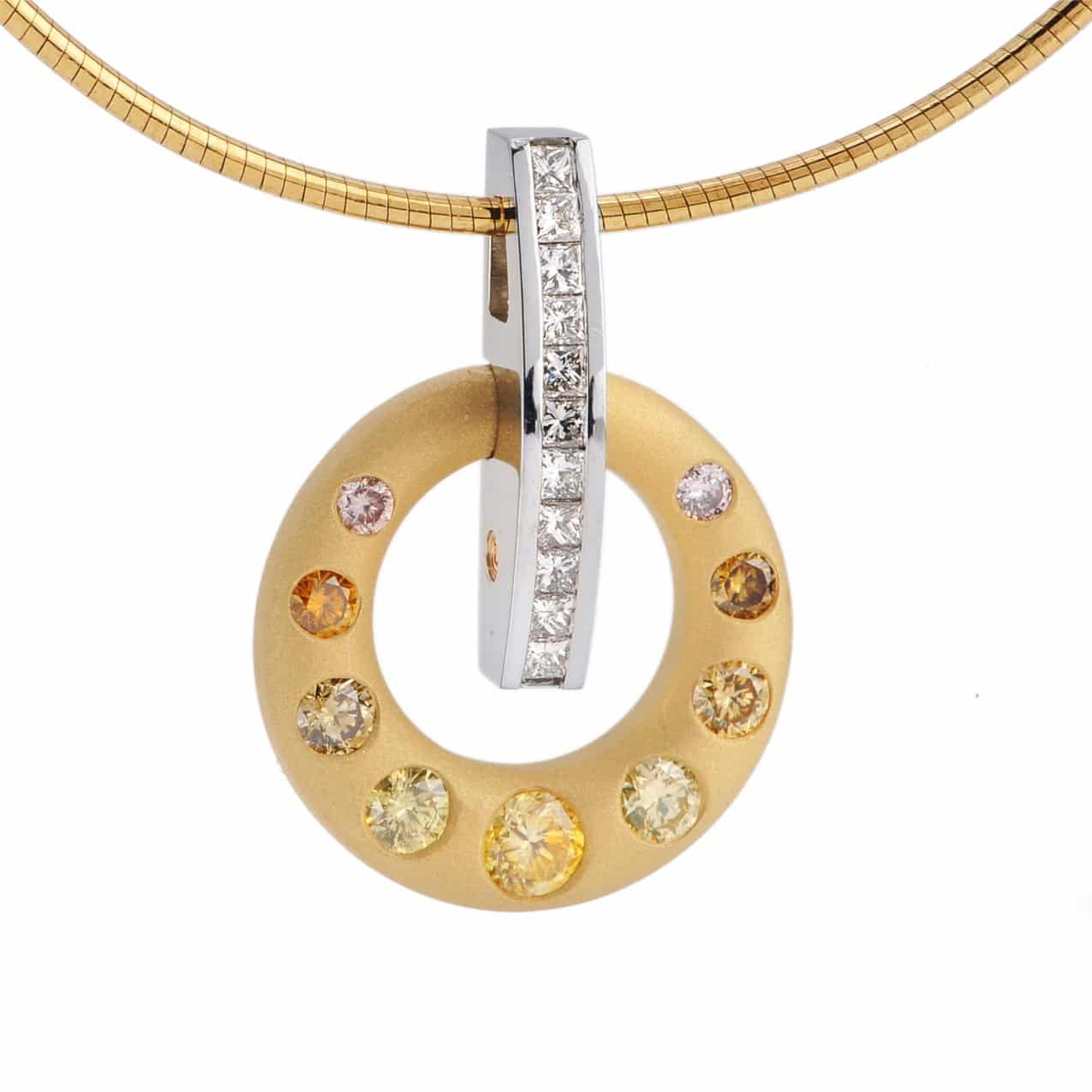
- The Collection Reference: A striking realization of this movement is the Orbit Fancy Colored and White Diamond Pendant. This piece pairs a matte-finished yellow gold ring—embellished with an array of yellow and pink diamonds—with a brilliant platinum bail. Contrasting tones interact harmoniously within a single design, challenging traditional monochrome jewelry.
4. Fluid and Organic Shapes
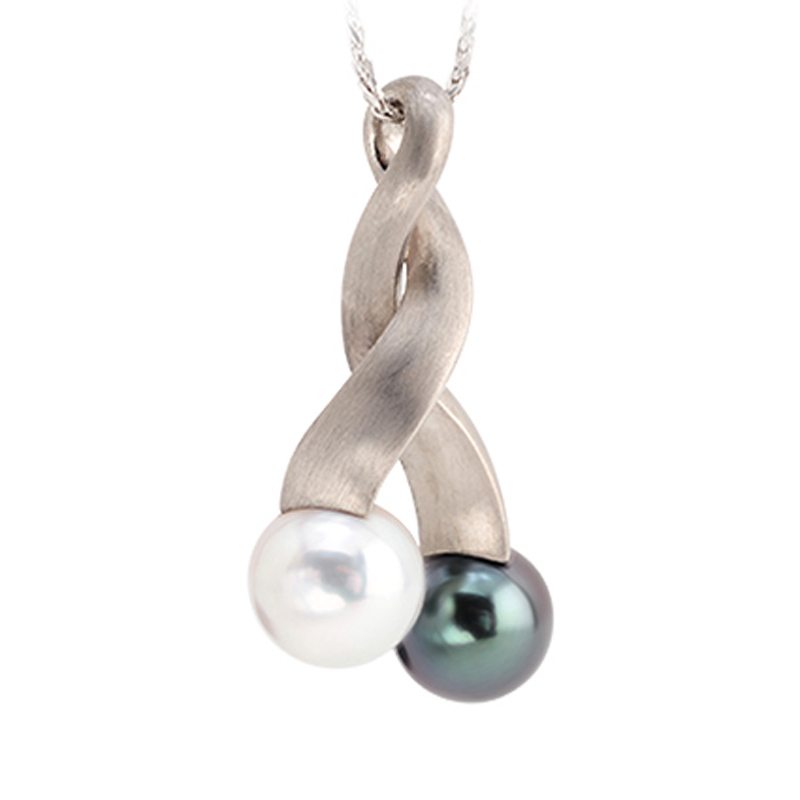
Symmetry is being beautifully challenged by natural, twisting lines. These forms mimic the asymmetric balance found in nature, relying on fluid metalwork and precise tension to suspend gemstones and pearls in unexpected, sculptural ways.
- The Collection Reference: The Fusion Two Pearl Palladium Pendant captures this movement, cradling a pair of 9.7mm pearls—one a shimmering white-silver and the other a deep black-green Tahitian—within twisting ribbons of brushed palladium.
5. Pops of Vibrant Color
While colorless diamonds remain foundational, 2026 is defined by the strategic use of rich, colored gemstones. Collectors are moving toward rare, untreated stones exhibiting exceptional natural saturation and fire, making color a deliberate focal point rather than an afterthought.
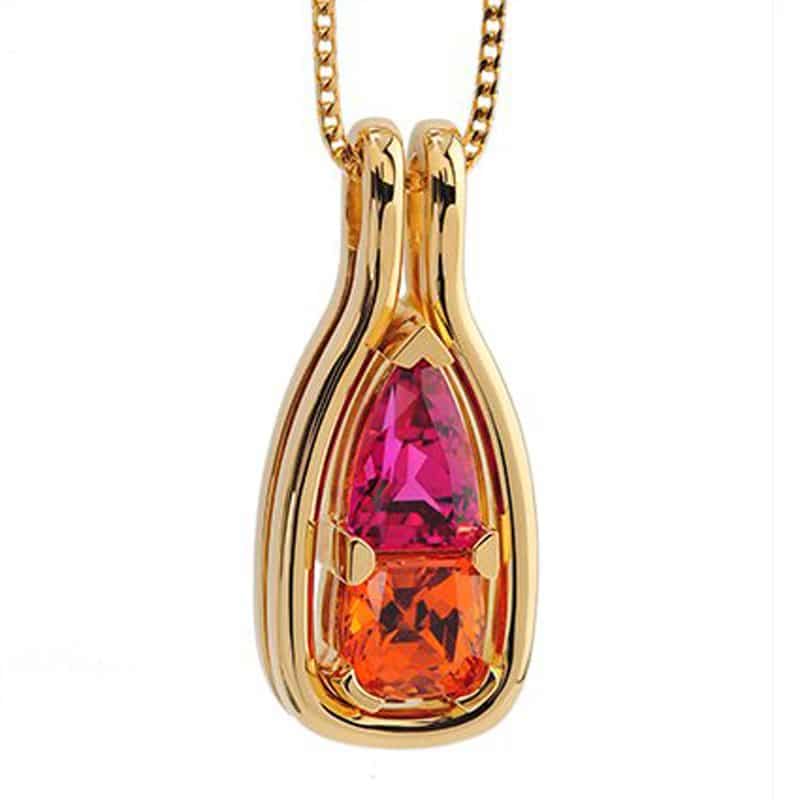
- The Collection Reference: The Interlace Gemstone and Yellow Gold Pendant showcases a striking dual-gemstone configuration, stacking a vibrant pink Rubellite over an intense orange-red Spessartite Garnet. Nestled within a high-polished yellow gold frame, it beautifully combines two major trends at once, showcasing a bold pop of color paired with a softer, organic silhouette.
6. Refined Takes on Classic Chains
The embrace of substantial, statement-making neckwear is reflected in the trend toward bolder links. We honor this desire for a solid, luxurious presence on the neckline, but elevate the concept. Instead of rigid links that feel clumsy against the skin, our pieces ensure a continuous strand that drapes gracefully and moves naturally with your body.
- The Collection Reference: The Coterie Round Brilliant Cut Diamond Riviera White Gold Necklace incorporates 7.47ctw of round brilliant diamonds nestled within interconnected horseshoe-shaped links that drape elegantly along the collarbone.
Gemstone Trends of 2026
The presence and longevity of fine jewelry necklace styles are inherently tied to the character and natural purity of their stones. Rather than relying on predictable, uniform layouts, modern collectors look for distinctive gem configurations that express true individuality. At Coffin & Trout, this movement is anchored by an absolute commitment to material integrity, ensuring every gem is entirely free from fracture-filling, laser-drilling, or temporary treatments to preserve its beauty and value for generations.
Unique Gemstone Cuts
Standard calibrated shapes are taking a backseat to unconventional lapidary geometries. Elongated baguettes, custom step cuts, and striking shields define the most coveted looks. These cuts demand perfectly proportioned raw crystals to highlight clean, internal facets.
Rare Statement Stones
Discerning collectors are seeking rare, exotic varieties that deliver an undeniable visual impact. The luxury market is celebrating exceptional choices like natural tanzanite, which is prized for its incredible scarcity and deep, velvety blue-violet saturation. These statement gems command attention instantly, serving as the perfect centerpiece for the design, as beautifully showcased in the
Revolution Tanzanite and Diamond Pendant.

Mixed-Stone Compositions
A significant movement this year is the thoughtful pairing of contrasting gemstone varieties within a single setting to establish striking tonal gradients. Instead of monochromatic layouts, modern master configurations deliberately juxtapose entirely distinct species, elevating contrasting colors into a unified whole.
Mastering the Art of Necklace Layering
Achieving a modern layered appearance requires a thoughtful approach to spacing, weight, and focal points. Rather than simply piling on multiple chains, a successful arrangement treats the neckline as a single, cohesive composition.
1. Establish the Anchor Piece
Every layered look requires a definitive focal point. Select a substantial piece—such as a bold geometric pendant or a vivid, colored gemstone necklace—to occupy the lowest position in your arrangement. This anchors the look and prevents the eye from being overwhelmed by competing details.
2. Vary Chain Lengths and Visual Weights
To prevent tangling and ensure clean separation, separate your necklaces by at least two to four inches in length. Pair a delicate, lightweight chain or a minimalist horizontal bar necklace at a shorter length with a heavier, more complex pendant on a longer chain.
3. Contrast Textures and Finishes
Mix different design elements to create depth. Try pairing the highly polished, continuous diamond brilliance of a Riviera necklace with the sculptural, brushed finish of a fluid pearl pendant. The contrast between the brilliant surfaces and matte textures ensures that each individual piece maintains its distinct identity within the layout.
The Value of In-House Production
As trends come and go, the luxury marketplace frequently fills with mass-produced jewelry ordered from generic catalogs, which often results in hollow components, weak clasps, and insecure settings. True fine jewelry is distinguished by what is made in-house from the ground up.
By controlling every phase of development—from initial computer-aided design (CAD) rendering to master bench fabrication and stone setting—every parameter is meticulously managed. Jewelry ceases to be simply a fashion accessory and becomes a piece of future history.
Whether you are drawn to the fluid silhouettes of organic design, the linear precision of horizontal presentations, or the brilliant impact of rare, natural gemstones, your jewelry should remain flawless for generations. Explore our collection of masterfully crafted necklaces online, or visit our studio to experience the Coffin and Trout difference in person.
Frequently Asked Questions About Fine Jewelry Necklace Styles
What are the most popular fine jewelry necklace styles for 2026?
Six standout design movements dominate the luxury landscape in 2026: low-profile bezel settings that frame gemstones in secure precious metal, linear east-west gemstone orientations, mixed-metal fabrications that pair contrasting tones like platinum and yellow gold, fluid and organic silhouettes, bold pops of vibrant natural color, and highly refined versions of classic chunky chains engineered for supple draping.
How do you layer luxury necklaces without them tangling?
To ensure clean separation and prevent twisting, arrange necklaces with at least two to four inches of space between them. Position a substantial centerpiece, such as a rare gemstone pendant, at the lowest point to anchor the layout, then complement it with shorter, lighter chains or sleek geometric bar necklaces.
Why are bezel settings trending in modern fine jewelry?
Bezel settings are highly favored due to their seamless fusion of clean geometry and everyday wearability. By wrapping a gemstone’s entire perimeter in a continuous collar of precious metal, the setting accentuates the precise outer lines of the stone. This creates a smooth, snag-free surface that shields the gem from daily contact while offering a sleek, contemporary profile.
What is an east-west necklace setting?
An east-west setting refers to a design where an elongated gemstone—such as a baguette, emerald, or oval cut—is rotated 90 degrees from its traditional alignment to rest horizontally across the neckline. This layout delivers a fresh, linear look that breaks away from conventional vertical pendants.